Livestock farming · Sales network
Ten years of visits in a notes field. Now the sales agents tell them by voice
A company that makes and distributes products for livestock farms, with a network of sales agents touring cowsheds all day. Nobody had time to write down how it went. Now they just have to tell it.

Voice message received
Everything they knew about customers sat in a notes field
Sound familiar?

One visit done, you're already in the car heading to the next cowshed.

In the evening you should write up how it went. After ten visits, you often don't.
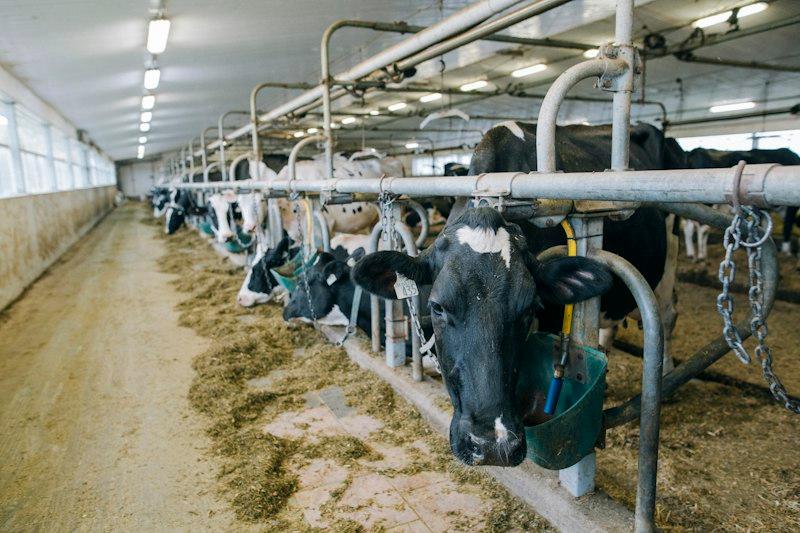
Every sales agent has their own Excel file. What they know about the customer is in there, or in their head.
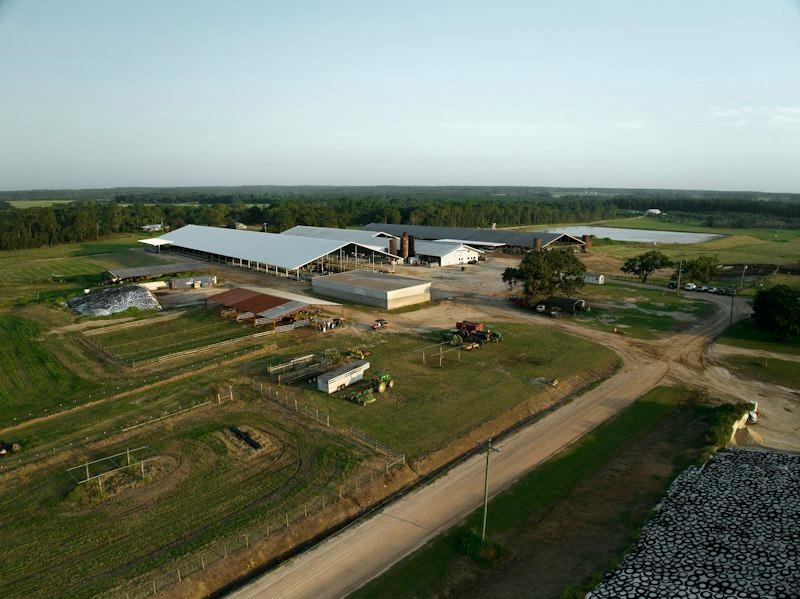
Customers are marked on hand-made maps.

Each sales agent makes around ten visits a day. In every one, things happen that matter: who they spoke to, what the farm uses, who the competitor is, when to drop by again. All of this ended up in an Excel notes field. When it ended up anywhere.
In ten years that field collected 1,809 visits, written in only seven records out of ten. Alongside it there were 11 different Excel files and about 1,500 points marked on hand-made maps. The sales manager had no single place to look.
And a traditional CRM wouldn't have solved anything: nobody fills it in at night, after ten visits.
“Many things don't have a date, they have a place: ‘when I'm passing by’.”
Do your sales agents' visits stay in their heads too?
Tell us about it →You tell the visit, FILO fills in the record
The point wasn't to find a better CRM. It was to give the sales agents a way to update it without writing: a voice message, like the ones they already send to colleagues.
First of all, the existing data
Ten years of Excel went into FILO: 3,044 customer records, 64 wholesalers and almost 3,000 links between customers and wholesalers. Every row was checked in a preview before being loaded. The sales agents started from a complete base, not from scratch.
Then, the visit by voice
The sales agent records a voice message.
Once the visit is over, they use the app on their phone to say how it went. In their own words.
FILO transcribes it.
It knows the industry vocabulary and the catalogue products, even when the agent uses a shortened name.
The AI suggests.
From the account it extracts contacts, products, competitors, terms and next step. Next to each suggestion is the sentence it comes from.
The sales agent decides.
They accept, correct or discard each suggestion, one by one.
The customer record updates.
Confirmed data goes where it belongs. The audio is deleted, the text stays.
Example (made-up data)
In the car, just out of the cowshed
Around the visit
Catalogue · October
Catalogue and promotions in your pocket: products, prices valid by period and promotions as PDFs, always at hand for the sales agent.
Zones and maps: each zone has its own sales agent, and customers sit on a real map, with the boundaries of regions, provinces and municipalities.
WhatsApp · Allevamento Ronchi
WhatsApp from the app: the sales agent sends a promotion to the customer without leaving the app.
A voice message in the car, before the next cowshed
The sales agent leaves the farm. Before setting off again they open the app and tell the visit, as they would on the phone to their manager: “I spoke to the owner, he's also talking to another supplier, I'll get back to him Thursday.”
A few seconds later, the suggestions are on the phone: contact, competitor, next step. They confirm with a tap, correct what's needed, and drive off.
In the evening there's nothing to write. And the sales manager opens FILO and sees, customer by customer, what happened in the day's visits.
The sales agent stays in charge
No data goes into the record without their confirmation. The voice message is an account, not a command: orders are never placed from a voice message.

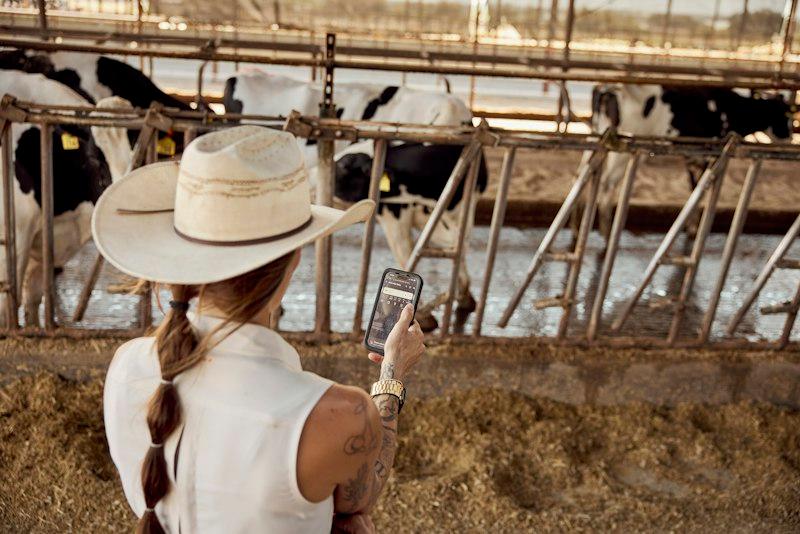

In testing, 10-20 seconds from the account to the suggestions
Before: around ten visits a day per sales agent, 1,809 visits from ten years locked in a notes field, about 1,500 points on hand-made maps.
Now: 3,044 customer records in one place. And in testing, it takes 10-20 seconds from telling the visit to the suggestions to confirm.
Before: ten years of visits locked in a notes field
Before: about 1,500 points on hand-made maps
Now: customer records in one place

Why it works
- It doesn't ask sales agents to change their habits. They already send voice messages all day. Now one of those messages updates the CRM.
- The AI suggests, the sales agent decides. Every suggestion shows the sentence it comes from. Confirming is faster than writing, and no data goes in without a yes.
- It starts from the data that was already there. Ten years of Excel weren't lost: they became the foundation of the CRM.
- It's built around their industry. Around their catalogue, their product names, their way of doing visits.
Do your sales agents tell you about their visits, or keep them in their heads?
Area sales agents, technical sales reps, product representatives: if visits end up in a personal Excel file or nowhere at all, tell us how your network works. We'll tell you what we would build, starting from the data you already have, and what it costs.

More case studies

They knew how to price it. The problem was getting the trip details
The first reply came after 22 hours
Read the case study →
From the roof drawing to the quote in the ERP, without retyping codes
From 4,938 items to around ten candidates
Read the case study →