Passenger transport · Tourism
They knew how to price it. The problem was getting the trip details
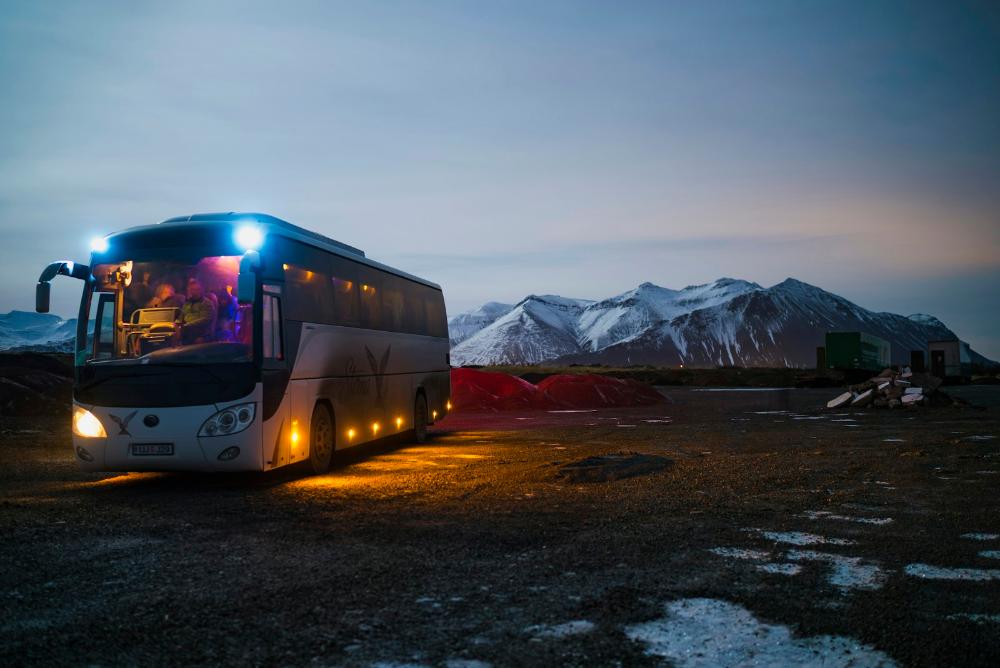
A coach hire company with drivers: school trips, pilgrimages, sports away trips, multi-day tours. Requests arrive by email. The details needed for the quote almost never arrive all at once.
- The trip details, each with the sentence it comes from
- The question for the only missing detail
Five emails to put a trip together
Sound familiar?
- A school sends ten trips in a single email, with the itinerary attached.
- The agency asks for 54 seats. Then 56. Then back to 54.
- You know how to price it. The hard part is getting dates, pick-up point, destination and number of people.
- Meanwhile the customer waits almost a day for the first reply. And may already have written to someone else.




Requests arrive in two email inboxes. Agencies writing every day in a few lines, schools asking for the tender code, parishes, sports clubs, private individuals. Almost nobody sends everything in the first message.
The details arrive in instalments, and they change. In a single conversation the requested capacity changed six times in four months.
The office's job was reading, working out what was missing, asking for it and chasing it. They were good at doing the quote. All the time went on what came before.
The starting numbers
Before starting we analysed almost 16,000 emails from the archive. Here is what we found:
the typical time before the first reply to the customer.
of requests received a reply within 24 hours. One in two.
usually needed to complete a confirmed case.
Are your requests waiting on a missing detail too?
Tell us about it →An assistant that gathers the details instead of the office
We studied the company's emails, its customers and the questions the office asked every day. Then we built an assistant in FILO that does exactly that job: it reads, works out what is missing, asks for it and chases it.
One case for each trip.
The request arrives in the usual inbox. FILO opens a case for each trip, even when a single email asks for ten.
The details, with the evidence.
Dates, places, number of people, itinerary: the assistant extracts them from the email and its attachments. Next to each detail is the sentence it comes from.
It asks for what is missing.
It writes to the customer from the same inbox, in the same conversation. If the customer doesn't reply, it sends a reminder. After two reminders it hands the case over to a person.
No duplicates.
The same trip requested by two different agencies doesn't become two unconnected cases.
It follows the trip until departure.
After confirmation it asks for the operational details. Seven days before departure it asks for the final itinerary.
Confidential emails stay out.
A filter decides which messages the assistant can read. It never sees the others.
An email written by the assistant
Good morning,
for the trip on 12 November we need to know how many people there are and what capacity you need: there is a price difference between 54 and 56 seats.
Kind regards
The reminder, automatically
Case rule
History
The office opens the case when it's ready
The school writes at 9 pm on a Tuesday. There's no need to wait until morning: the assistant opens the case, sees that the number of participants and the return time are missing, and asks for them straight away, in the same conversation. In the email it explains that the office is closed and that the case is already being handled.
The customer replies. The assistant updates the details, checks everything again and doesn't ask again for what it already knows.
The next morning the office finds the complete case on the board, with every detail next to the sentence it comes from. It does the pricing, prepares the quote and uploads it to the ERP. The chasing is done by the assistant.
 From: Hire office · 21:03
Re: School outing – PR-2026-0027
Good evening,
we have received your request and the case is already being handled. The office is now closed: to prepare your quote tomorrow morning we only need two more details.
1. How many participants are there?2. What time would you like to return?
Kind regards
crm.yourcompany.com/cases/board
Case board · Wednesday morning4 cases ready for a quote
The assistant is asking
PR-2026-0031 · Team away tripmissing the pick-up pointreminder 1 of 2
PR-2026-0033 · 3-day pilgrimagemissing the itinerary
Ready for a quote
PR-2026-0027 · School outing52 people · return 18:30“we are 48 pupils and 4 teachers”
PR-2026-0012 · School trip12 November · 54 seats
PR-2026-0029 · Airport transfer18 people · return journey
Quote sent
PR-2026-0021 · Group tripuploaded to the ERP
align-items:center">
The office stays in charge
The assistant gathers the details and sends reminders. Pricing, vehicle availability, negotiation, complaints: all of that stays with the office. And automatic emails are the customer's choice: before going out they pass through a queue, where they can be stopped.
The goal: from 22 hours to under an hour
Before, the first reply came after 22 hours and only one request in two got a reply within the day. Closing a case took five emails.
With the assistant, the goal agreed with the company is clear: reply within an hour, give a same-day reply to over 90% of requests and complete a case in three emails.
Before
- 22 hoursfor the first reply
- 1 in 2requests replied to within the day
- 5 emailsto close a case
The agreed goal
- under an hourgoal for the first reply
- over 90%goal for requests replied to the same day
- 3 emailsgoal to complete a case

Why it works
- It does the work nobody wants to do. Reading, asking, chasing. The quote stays with those who know how to do it.
- It replies even when the office is closed. In the evening and at weekends the customer immediately gets a useful reply, not a “we'll let you know”.
- Every detail has its evidence. The office sees which sentence each piece of information comes from. Checking takes a glance.
- It's built around the way they work. Around their customers, their questions, their email inboxes. It's not a standard product adapted to fit.
Do your requests stall on missing details too?
Hire with driver, transfers, group travel: if it takes five emails before you can quote, tell us how you work. We'll tell you what we would build for your office and what it costs.

More case studies
Ten years of visits in a notes field. Now the sales agents tell them by voice
From the visit account to the suggestions, 10-20 seconds
Read the case study →They knew how to price it. The problem was getting the trip details
The first reply came after 22 hours
Read the case study →
From the roof drawing to the quote in the ERP, without retyping codes
From 4,938 items to around ten candidates
Read the case study →